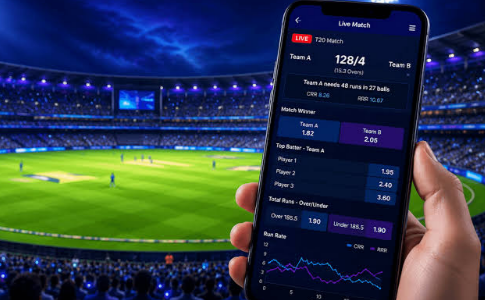
A cricket match can look settled for ten minutes and then change within two deliveries. A wicket falls, a batter starts finding the boundary, or the required run rate climbs far enough to alter the balance of an innings. Digital cricket platforms have to reflect those changes quickly while keeping the screen readable. For users following a match online, desi live cricket match odds can appear alongside current score data and other live match information. Slot Desi has a separate live cricket section built around this type of real-time match view. For a technology audience, the interesting part is what happens between the physical event and the updated number.
Why cricket data can change from ball to ball
Cricket produces a steady stream of events, but those events do not carry equal weight. A dot ball may barely alter the state of a match, while a wicket can change the expected direction of an innings at once. Context matters as well. Losing a batter in the third over of a T20 match is different from losing one with twelve runs needed from six balls. The same applies to boundaries, extras, partnerships, and changes in scoring rate. A live platform therefore has to work with more than the current score. Overs remaining, wickets in hand, target, recent scoring pattern, and match format all help describe the situation that users are watching. That makes cricket a demanding sport for any interface built around fast updates.
What happens between the field and the screen
The path from a live delivery to an updated screen usually passes through several technical stages. First, the match event is recorded by a data source. That information is then sent through a live feed to systems that process the new state of the game. The platform receiving the data has to update visible elements such as score, overs, wickets, player figures, or related odds without forcing the user to reload the whole page. Timing matters because people may also be watching a television or streaming feed at the same time. If one source is several seconds ahead of another, the difference becomes obvious. Good interface design cannot remove every delay, but it can present timestamps, match status, and fresh data clearly enough that users can tell what the numbers refer to.
Which match events can move live odds
Live odds are sensitive to changes in match position, but they do not react to every ball in the same way. The effect depends on format, score, remaining resources, and the stage of the match. Several events are especially likely to alter what appears on a live screen:
- Wickets. Losing a set batter can change the expected scoring pace and expose less experienced players.
- Boundaries. A short burst of fours or sixes can reduce the required rate or push a batting side ahead of its earlier pace.
- Overs remaining. Ten runs needed from three overs creates a very different position from ten needed from one over.
- Player availability. An injury, retirement, or confirmed absence can change how a side is assessed.
- Weather interruptions. Rain delays and revised targets can reshape the match within minutes.
The exact reaction still depends on the wider match state rather than one isolated event.
Why fast updates are not enough
Speed attracts attention in live sports technology, yet a fast screen can still be difficult to use if the information lacks context. A number that changes immediately after a wicket is less useful when the user cannot see which player was dismissed, how many overs remain, or whether the match has paused. The same problem appears when a platform updates one part of the page before another. A new score beside an older match status can create confusion for several seconds. Clear sequencing matters. Score, innings state, current players, and odds should refer to the same moment as closely as possible. This is especially relevant during short formats, where several meaningful events can happen within a minute and a stale value becomes noticeable very quickly.
What a good live cricket screen should make clear
A useful live cricket interface answers three questions without making the user search around the page: what just happened, how the match position changed, and what information has been updated because of it. That requires more than fast delivery. The screen needs a clear hierarchy so the current score remains easy to locate while recent events, player data, and changing odds stay connected to the same match state. Too many competing panels weaken that relationship. Too little information leaves the numbers without context. The strongest design sits between those extremes. For live cricket platforms, the real test is whether a user can look away for a few deliveries, return to the screen, and understand the new position within seconds. That is what turns real-time data into useful match information.