Manila, the bustling capital city of the Philippines, is a vibrant destination that offers a mix of history, culture, and modern amenities for tourists to explore. The city is home to historical landmarks such as Fort Santiago, Intramuros, and Rizal Park, where visitors can immerse themselves in the rich history of the country. For those looking to indulge in shopping and dining, Manila has a wide range of options, from trendy malls like SM Mall of Asia to local markets such as Divisoria. The city also boasts a lively nightlife scene, with numerous bars, clubs, and live music venues where visitors can unwind after a long day of sightseeing.
For a taste of the local cuisine, tourists can sample classic Filipino dishes such as adobo, sinigang, and lechon at the city’s various restaurants and street food stalls. Manila is also known for its vibrant festivals and events, such as the Ati-Atihan Festival and the Sinulog Festival, which showcase the country’s rich cultural heritage. Additionally, the city is a gateway to the stunning beaches and islands of the Philippines, making it a perfect starting point for exploring the rest of the country. Flights from Ho Chi Minh City To Manila provided by Cathay Pacific offers a comfortable and reliable way for tourists to travel to Cebu
Manila Bay
Manila Bay is a natural harbor located in the Philippines, known for its stunning sunsets and picturesque views. It has played a significant role in the country’s history, serving as a gateway for trade and commerce since the Spanish colonial era. The bay covers an area of approximately 1,994 square kilometers, making it one of the largest natural harbors in the world.
The bay is surrounded by several cities, including Manila, Pasay, and Parañaque, which are bustling with activity and vibrant culture. Manila Bay is a popular destination for locals and tourists alike, offering various attractions such as the Manila Ocean Park, where visitors can experience marine life up close through interactive exhibits and shows. The bay also has a vibrant nightlife scene, with restaurants, bars, and clubs lining its shores.
Despite its beauty and popularity, Manila Bay faces various environmental challenges, including pollution and overfishing. Efforts are being made to restore and preserve the bay’s ecosystem, such as the Manila Bay Rehabilitation Program initiated by the government to clean up and revitalize the area. The program aims to improve water quality, reduce pollution, and promote sustainable practices to ensure the bay’s long-term health and vitality.
In recent years, Manila Bay has become a symbol of resilience and hope for the Filipino people, as they continue to work towards preserving its natural beauty and cultural significance. With ongoing conservation efforts and community involvement, Manila Bay has the potential to regain its status as a thriving ecosystem and a vibrant hub of activity for generations to come.
San Agustin Church
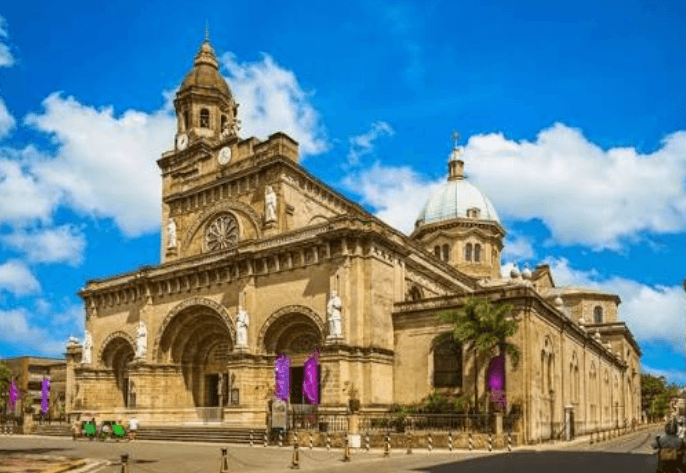
Visiting historical sites can be an enriching and awe-inspiring experience, and one such site that holds a significant place in the history of the Philippines is San Agustin Church in Manila. Built in 1607, this beautifully preserved church is a UNESCO World Heritage Site and is considered one of the oldest stone churches in the Philippines. For those planning a visit to this architectural gem, there are a few tips to keep in mind to make the most of your experience.
First and foremost, it is important to do some research before visiting San Agustin Church. Understanding the history and significance of the site will enhance your visit and allow you to appreciate the architectural and artistic details more fully. Take the time to read about the church’s construction, the Spanish colonial era, and the role of religion in shaping the cultural landscape of Manila. This background knowledge will provide context and meaning to the visit, making it a more memorable and educational experience.
When visiting San Agustin Church, it is advisable to arrive early in the day to avoid crowds and make the most of your visit. The church opens at 8:00 am, and early morning hours are typically quieter, allowing for a more peaceful and contemplative exploration of the site. Take your time to soak in the beauty of the intricately carved wooden doors, the stunning ceiling frescoes, and the ornate altars adorned with religious icons. As you wander through the church, pay attention to the details and symbolism in the artwork and architecture – every element has a story to tell.
Another important tip for visiting San Agustin Church is to respect the sanctity of the site and adhere to the rules and regulations set by the church. As a place of worship, visitors are expected to maintain a certain level of decorum and reverence during their visit. Avoid loud talking, disruptive behavior, and inappropriate attire out of respect for the church and its religious significance. Be mindful of any rules regarding photography, as some areas of the church may not allow flash photography or videography.
Finally, take the time to explore the surrounding areas of San Agustin Church to fully immerse yourself in the rich history and culture of the Philippines. The church is located within the historic walled city of Intramuros, which is home to other notable Spanish colonial-era buildings and landmarks. Consider taking a guided tour of Intramuros to learn more about the history of Manila and its significance in the Philippines’ colonial past. Immerse yourself in the sights, sounds, and flavors of this historic district to gain a deeper appreciation for the cultural heritage of the Philippines. By following these tips, you can make the most of your visit to San Agustin Church and create lasting memories of this iconic landmark.
See also: Automation for Small Businesses
Intramuros
Intramuros, located in Manila, Philippines, is a historic walled city that offers a glimpse into the rich history of the country. Built during the Spanish colonial period in the 16th century, Intramuros is a well-preserved district that highlights the architectural and cultural influences of the past. As you walk through its cobbled streets and admire the ancient structures, you can’t help but feel transported back in time to when the Philippines was under Spanish rule.
One of the main attractions in Intramuros is Fort Santiago, a citadel that played a crucial role in the country’s history. It was used as a defense fortress during the Spanish occupation and later served as a prison during World War II. Today, visitors can explore the fort’s dungeons and ramparts, as well as learn about its significance in shaping Philippine history. The lush gardens and scenic views from Fort Santiago also make it a popular spot for locals and tourists alike.
Another highlight of Intramuros is the San Agustin Church, a UNESCO World Heritage Site that showcases magnificent Baroque architecture. The church’s intricate designs and ornate decorations are a testament to the craftsmanship of the Filipino workers who built it. Inside, you can admire the stunning frescoes and religious artifacts that give insight into the country’s deep-rooted Catholic traditions. For those interested in religious history and architecture, a visit to San Agustin Church is a must.
Intramuros is not just a place for history buffs; it also offers a vibrant mix of restaurants, cafes, and shops that cater to modern tastes. You can sample delicious Filipino delicacies at local eateries, shop for souvenirs at quaint boutiques, or simply relax at one of the charming cafes with a cup of local coffee. The fusion of old-world charm and contemporary amenities in Intramuros makes it a unique destination that has something to offer for everyone.