Selling online and in a shop sounds like two businesses running side by side. In practice customers treat them as one, and the places where the two touch are where the operational problems live: an order placed online and collected in person, an item bought online and returned to the counter, a shop-floor sale of the last unit that was already promised to a web customer.
Each of these is straightforward in principle and each requires the two sides of the business to share information continuously. Where they do not, the failure is visible to the customer, which is what makes it expensive.
Ecommerce Integration is usually sold on stock synchronization, which is the foundation, and the operational value shows up mostly in these cross-channel journeys. Getting them right is what makes selling both ways feel deliberate rather than improvised.
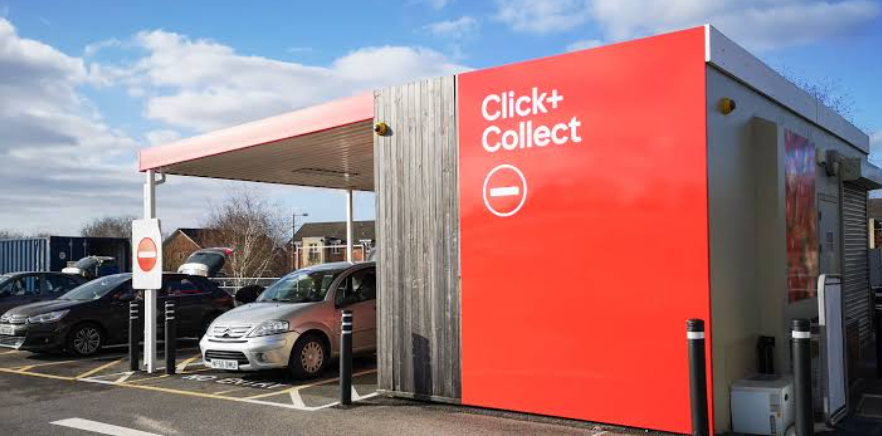
Collection From Store
Click and collect is popular with customers because it removes delivery cost and waiting, and popular with retailers because it brings people into the shop, where they buy other things.
It also has more moving parts than it appears. The order has to reach the shop promptly, someone has to pick it from the same stock the shop floor is selling from, the customer has to be told it is ready, and the handover has to be quick when they arrive.
The failure modes are specific. Stock allocated to a web order but not removed from shop-floor availability gets sold twice. Orders that sit unpicked mean a customer arrives to collect something nobody has prepared. And a collection process that takes ten minutes at a busy counter undoes the convenience that motivated the choice.
The practical requirements are that web orders appear in the shop system rather than in a separate portal, that picked stock is reserved and removed from available inventory, that the ready notification goes automatically rather than when someone remembers, and that collection is a fast lookup at the counter.
Holding periods need a policy. Uncollected orders occupy stock indefinitely otherwise, and a defined window with a reminder and a return to stock keeps it manageable.
Returns Across Channels
Returns are where cross-channel operations most often break down, and customers have limited patience for being told that an item bought online cannot be returned to the shop.
The core requirement is that the shop system can look up an online order, verify the purchase, and process the return against the original payment. Without that, staff are improvising: taking the item, issuing a store credit, and leaving someone to reconcile it later.
Refunding to the original payment method is the customer expectation, and doing that for a web order at a physical till requires the systems to be genuinely connected rather than merely synchronized on stock.
Returned stock needs to re-enter inventory correctly and become available to both channels, which sounds obvious and frequently does not happen.
Return reasons are worth capturing consistently, since they are among the most useful data a retailer collects. A product with a high return rate for a specific reason is usually a fixable listing problem rather than a bad product.
Policy consistency matters more than policy generosity. Different return windows for online and in-store purchases confuse customers and produce arguments at the counter.
Fulfilling Web Orders From Shop Stock
Using shop-floor inventory to fulfil online orders makes obvious sense, since it is stock that is already paid for and sitting there.
It also introduces the possibility of promising something that gets sold before it is picked, which is the single most common cause of cancelled online orders in retailers who do this.
The controls that make it work are a short picking window, immediate reservation of allocated stock, and a threshold below which shop stock is not offered online at all, so that the last unit stays available to the customer standing in front of you.
Staff time needs accounting for. Picking and packing during trading hours competes with serving customers, and a shop doing meaningful web volume needs to schedule it rather than fit it around everything else.
The Data Underneath All of It
None of these journeys work without a few foundations, and they are the same foundations in each case.
A single product identifier across both channels, so that an item is the same item everywhere.
A single stock figure that both channels read and write.
A unified customer record, so that a person who bought online and returns in store is recognizable.
Order status visible in both places, so that any member of staff can answer a customer question without checking two systems.
Consolidated reporting, so that channel performance can be compared and total performance can be measured.
Deciding How Far to Go
Not every retailer needs all of this, and building it all at once is a good way to do none of it well.
Stock synchronization first, since it prevents the failure customers find least forgivable.
Collection from store next, if the shop location suits it, because it is the cross-channel journey with the clearest commercial return.
Cross-channel returns after that, since the volume is lower but the customer-facing benefit is high.
Shop-floor fulfilment last, because it carries the most operational risk and needs the other foundations to be reliable first.
Each step is worth doing properly before the next one starts, which is generally faster in the end than attempting the whole thing in one implementation.