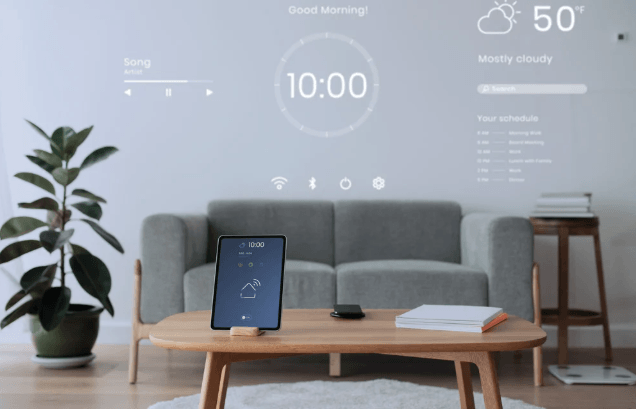
Automation for everyday convenience uses simple, rule-based systems to handle routine tasks with minimal human input. It translates mundane actions into predictable processes, speeding decisions and reducing errors. In homes, it coordinates lighting, climate, and devices; at work, it tidies small, repeatable tasks with clear data flows and consent-driven triggers. With transparent design and adjustable autonomy, users gain steady productivity and trusted control, yet questions remain about limits and safeguards as these systems expand.
What Is Everyday Automation and Why It Helps
Everyday automation refers to the use of simple technologies and rules to handle routine tasks with minimal human input. It translates mundane actions into predictable processes, enabling faster decisions and fewer errors.
The field intersects automation psychology, exploring how users respond to autonomous systems and shaping trust.
Ethical implications arise from data use, autonomy levels, and accountability for machine-driven outcomes.
Freedom hinges on transparent design.
Automate Home Routines That Save Time
Automating home routines translates routine actions into reliable sequences that save time and reduce decision fatigue.
In this context, automation patterns guide predictable outcomes, from lighting to climate presets, while device orchestration coordinates sensors, speakers, and appliances for seamless transitions.
The result is freedom to focus elsewhere, with systems that anticipate needs and simplify daily decisions through consistent, efficient automation.
Streamline Workflows With Simple Automation
Streamline workflows with simple automation by identifying small, repeatable tasks and applying minimal rule sets to execute them consistently. The approach emphasizes clarity, repeatability, and measurable gains, enabling teams to move faster with less cognitive load. Automation coaching guides adoption, while privacy considerations remain central, ensuring transparent data flows and consent-driven triggers. Results: steady productivity, greater autonomy, and enduring operational freedom.
Stay Safe and in Control With Smart Automation Settings
Smart automation settings empower users to stay safe and in control while digital processes run in the background. They offer clear controls, transparent alerts, and adjustable autonomy, enabling informed choices without micromanagement.
This approach emphasizes safety first, remains respectful of user intent, and supports freedom through precision settings, auditability, and predictable behavior, ensuring stay safe, smart automation, and in control.
Frequently Asked Questions
How Do I Choose the Right Automation for My Needs?
Choosing automation goals requires clarity about priorities and outcomes. The adviser notes: assess compatibility with existing systems, devices, and workflows; compare interoperability, security, and support. This approach empowers freedom-loving users to make informed, sustainable selections.
Can Automation Replace My Personal Attention Completely?
Automation cannot replace personal attention completely. It introduces Automation limitations and highlights Personal attention tradeoffs, since human context, empathy, and nuanced judgment remain essential, while automation augments freedom by handling repetitive tasks alongside thoughtful, conscious decision-making.
Do Smart Devices Require a Constant Internet Connection?
Ironically, yes—some smart devices can operate offline, but most require Internet for full functionality. Smart devices sometimes need connection; otherwise limited. Internet access affects updates, security, and automation. Local control aids freedom, though security concerns persist.
What Are the Privacy Implications of Automation Tools?
The privacy implications include privacy risks from data collection and cloud dependencies, with concerns about device interoperability shaping how information flows and is exposed, prompting careful evaluation of control, consent, and potential surveillance in automated ecosystems.
See also: Automation Driving Business Efficiency
How Can I Budget for Gradual Automation Adoption?
Automation skeptics beware: gradual adoption is prudent. The plan emphasizes budget tracking, phased investments, and power efficiency, while monitoring social impact. It offers freedom-driven guidance on budgeting for gradual automation adoption without overextending resources.
Conclusion
The article concludes that everyday automation serves as a cautious accelerant, nudging routines toward reliability without eroding agency. By quietly aligning tasks with predictable patterns, users experience smoother days and fewer frictions, while maintaining clear boundaries and oversight. This measured approach invites ongoing refinement, rather than blind dependence, and positions automation as a trusted facilitator of time savings, decision clarity, and personal autonomy. In short, convenience accrues with disciplined, transparent control.