Cryptocurrency is a digital asset used for peer-to-peer exchange, secured by cryptography. It runs on blockchain, a public ledger of time-stamped, verified transfers. Bitcoin shows value and scarcity; Ethereum expands with programmable contracts and apps. Beginners should choose reputable wallets and exchanges, and adopt solid security habits. The landscape is evolving, and the next steps reveal how theory meets practice and where risks and opportunities lie. There’s more to uncover as concepts tighten and tools mature.
What Is Cryptocurrency, Really?
Cryptocurrency is a digital asset designed to work as a medium of exchange using cryptography for security, enabling peer-to-peer transactions without centralized intermediaries. It is a tool for autonomy, shaping financial choices beyond gatekeepers.
Decentralized governance emerges from collective participation, while cryptography basics secure ownership, verify actions, and protect privacy. The result is a permissioned freedom to transfer value securely and directly.
See also: techsnapperz
How Blockchain Keeps Your Transactions Honest
Blockchain underpins trust in digital transactions by recording each transfer in a sequence of immutable, time-stamped blocks.
The mechanism relies on consensus and block verification to ensure honesty; once added, data becomes part of immutable ledgers that resist alteration.
This structure deters fraud, enables auditability, and preserves user freedom through transparent, verifiable, decentralized recordkeeping.
Bitcoin vs Ethereum: What Sets Them Apart for Beginners
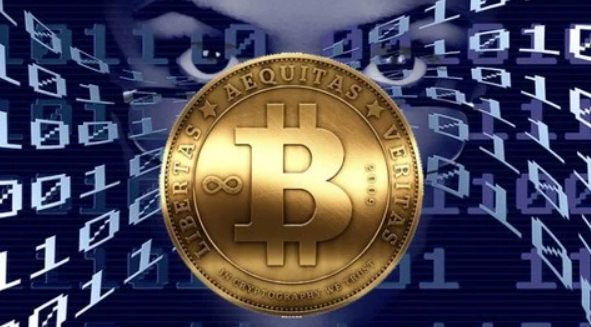
Bitcoin and Ethereum represent two foundational pillars in the crypto ecosystem, each designed with different goals in mind. Bitcoin emphasizes security, scarcity, and value storage—the essence of Bitcoin basics. Ethereum centers on programmable contracts and decentralized apps, unlocking diverse Ethereum use cases. Together they illustrate a split between digital money and a platform for innovation, inviting freedom through varied crypto possibilities.
Getting Started Safely: Wallets, Exchanges, and Secure Habits
Getting started safely involves understanding how to choose and use wallets, select reputable exchanges, and practice habits that protect funds and data. The guidance emphasizes security basics and persistent attention to user privacy, highlighting ongoing diligence over hype. A detached, practical approach encourages careful research, multi-factor authentication, regular updates, and prudent withdrawal practices, fostering freedom through informed, resilient crypto participation without compromising personal information or assets.
Frequently Asked Questions
How Is Cryptocurrency Taxed in Different Countries?
Tax treatment varies by country, with regulatory differences producing a mosaic of rules; some tax crypto as income, others as capital gains, and many countries blend approaches, creating a shifting landscape. The framework invites cautious, freedom-minded compliance.
Are NFTS Part of Cryptocurrency Investments?
NFTs are not strictly cryptocurrency investments, though they sit within the broader crypto ecosystem; NFT markets and blockchain interoperability influence their value, while DeFi staking risks remain separate considerations for investors exploring related opportunities.
Can I Lose All My Crypto Holdings?
A cautious traveler may lose everything if tremors strike the crypto market, but disciplined guardianship prevents catastrophe. He embodies risk management, security best practices, misinformation avoidance, and investment psychology, preserving freedom through prudent, ongoing risk-aware decision making.
What Determines a Cryptocurrency’s Price Movement?
Prices move due to volatility drivers and market sentiment, among others. In essence, demand-supply dynamics, macroevents, liquidity, and trader psychology interact to shift valuations, while participants’ expectations shape momentum, risk appetite, and reaction speed, creating ongoing price fluctuations and volatility.
Do Miners Earn a Guaranteed Steady Income?
Miners do not earn a guaranteed steady income. Mining profitability fluctuates with price, difficulty, and rewards, while energy costs heavily influence returns. Operators must manage volatility, efficiency, and risk to maintain a sustainable, freedom-oriented approach to participation.
Conclusion
Cryptocurrency represents a transformative approach to value transfer, underpinned by cryptography, blockchain integrity, and decentralized networks. Its promise lies in democratized access and programmable money, but risks demand informed caution. A hypothetical investor learns that diversification and secure practices are essential: using reputable wallets and exchanges, enabling two-factor authentication, and maintaining software updates. The rhythm of risk and reward—volatility tempered by discipline—highlights that steady learning and prudent behavior are as crucial as the technology itself.